Work
Governance & Public Policy
Making complex law, policy and public institutions understandable, accountable and responsive to citizens.
Democracy becomes meaningful when citizens can understand power and institutions can answer for how they use it.
Eyram’s governance work is concerned with the practical distance between law, institutions and lived experience—and with building the communication, policy and accountability bridges required to close that distance.
Making Public Systems Understandable
Policy and legislation often remain inaccessible to the people most affected by them. Civic education must translate complexity without distorting it.
Institutions Need Both Mandate and Capacity
Creating new institutions is not always the answer. Good governance asks whether mandates are coherent, duplication is avoided, appointments are accountable and existing institutions are adequately resourced.
Citizenship Must Become Active
Citizenship is more than voting. It includes learning, asking questions, participating in consultations, monitoring public performance and defending the rights of others.
Areas of Engagement
Governance analysis; board policy; civic literacy; public-law explainers; stakeholder consultations; facilitation; disability policy; child online protection; institutional governance; citizen communication.
Continue
The other arenas
-
Media & Strategic Communication Building credible information systems, stronger newsrooms, strategic narratives and communication institutions.
-
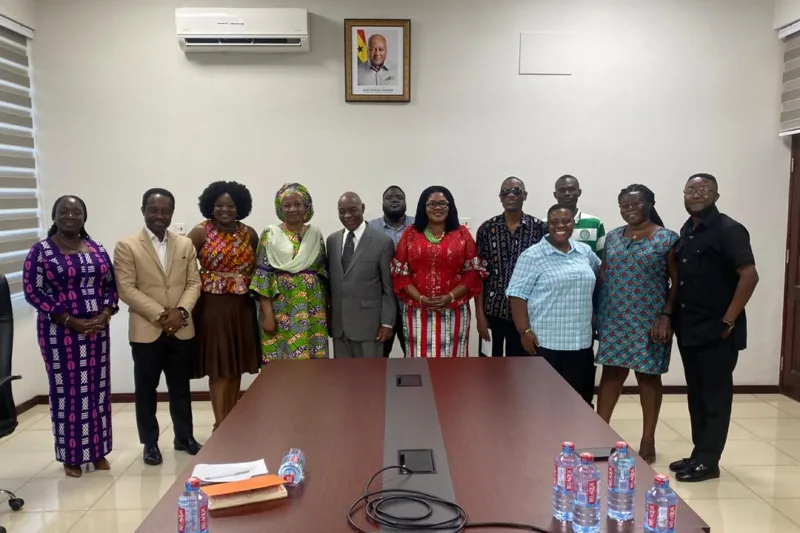
Institution Building Turning ideas into durable platforms, governance systems, programmes and organisations that can outlive their founders.
-
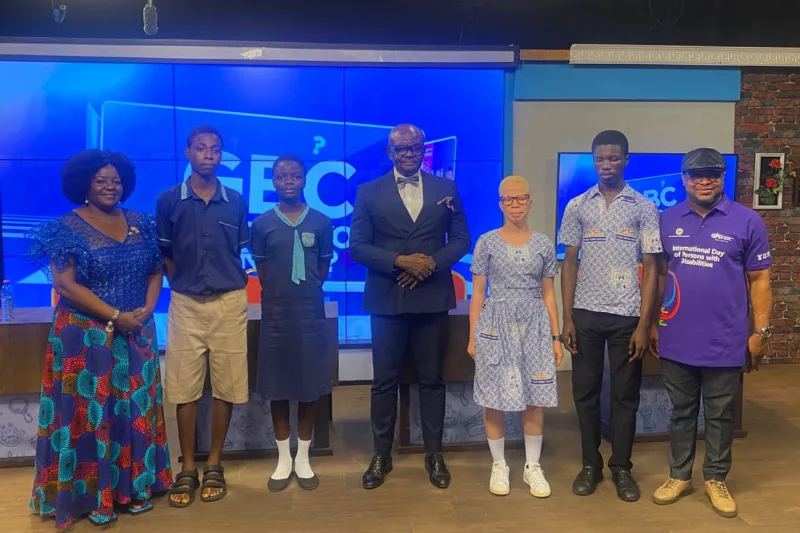
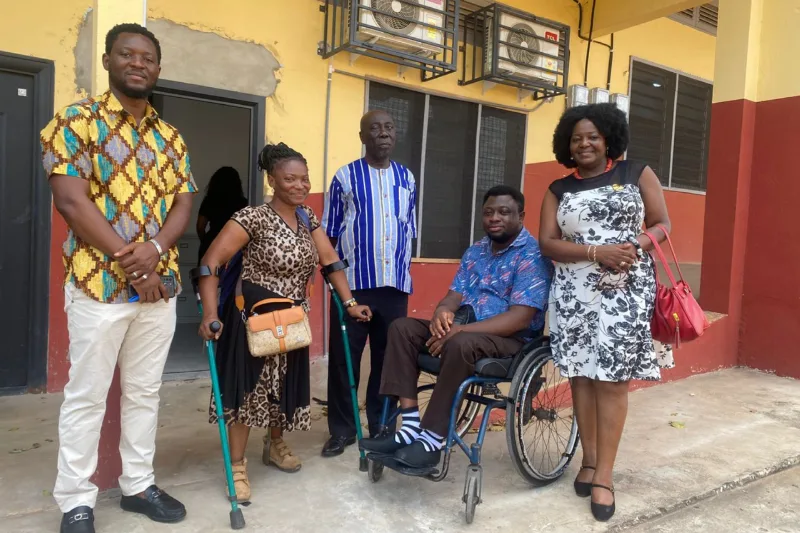
Disability Inclusion & Social Justice Advancing dignity, participation, accessibility and public accountability for persons with disabilities and excluded communities.
-
Kingdom Leadership & Workplace Mission Helping Christians understand work, leadership, influence and public service as arenas of mission.

-
Enterprise & Innovation Creating purpose-led ventures, digital platforms and African lifestyle brands that connect identity, excellence and opportunity.